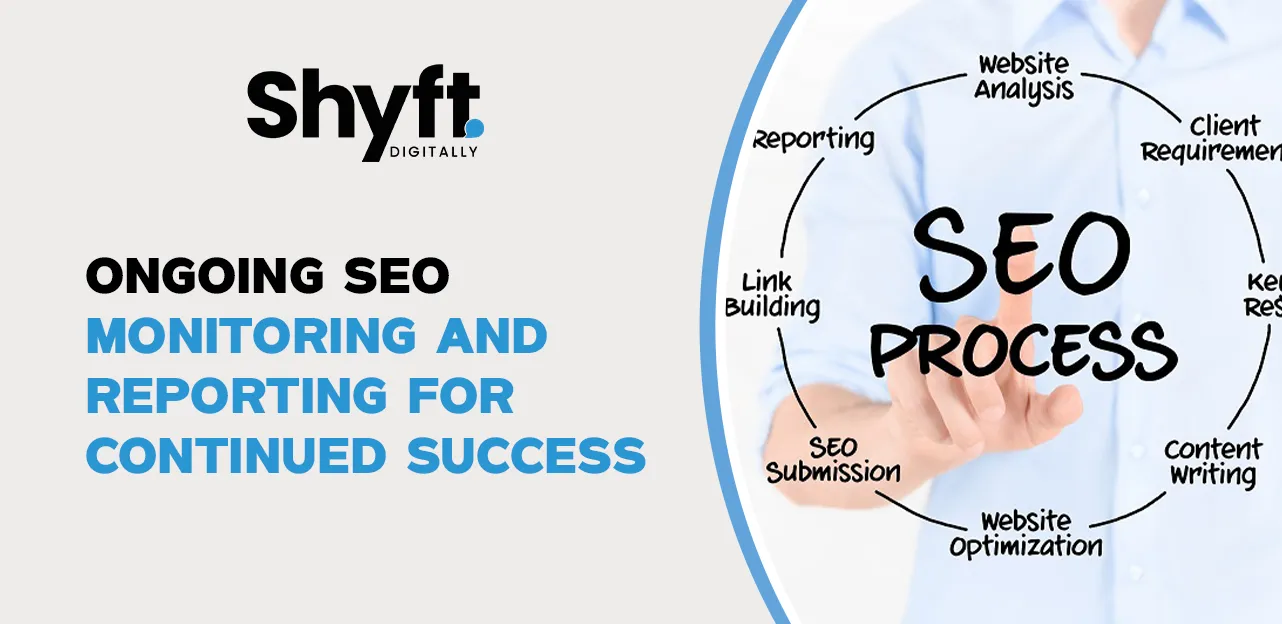
Keeping track of how your website performs is very important. You might have a great website built with strong SEO strategies, but if you do not check its performance, you cannot know what works and what needs to change. At Shyft Digitally, we believe that ongoing SEO monitoring and regular reporting are keys to long-term success. Our SEO Services and Website Development Services are built around the idea that tracking results is as important as making improvements. In this article, we explain why monitoring is essential, the simple tools you can use, and how reporting helps your business grow.
Why Monitor Your SEO?
Monitoring your SEO means checking how your website shows up in search engines like Google. When you monitor your site, you learn which parts are working and which need change. Here are a few reasons why regular monitoring is important:
- Stay Ahead of Changes: Search engine rules change over time. By keeping an eye on your performance, you can quickly adjust your strategies.
- Measure Success: Regular checks help you see if your efforts are bringing more visitors and leads.
- Save Time and Money: Early detection of issues means you can fix them before they cause bigger problems.
- Improve User Experience: Understanding how visitors interact with your site can help you make improvements that keep them engaged.
What Is SEO Monitoring?
SEO monitoring is the ongoing process of tracking your website’s performance. It involves checking key metrics that show how well your site is doing in search results and how visitors behave once they arrive. This process helps you decide where to make changes. Think of it as regularly checking your car’s dashboard to make sure everything is running smoothly.
Simple Steps to Monitor Your SEO
- Set Clear Goals: Before you start monitoring, decide what you want to achieve. Do you want more traffic, better rankings, or higher sales?
- Choose Your Tools: There are many tools available to help you track your SEO performance. Some of the most common ones are Google Analytics, Google Search Console, and SEMrush.
- Track Key Metrics: Regularly check the numbers that matter to your business. These include the number of visitors, how long they stay, and whether they take action on your site.
- Analyze and Act: Look at the data and find trends. When you notice a problem or a drop in performance, you can take steps to fix it.
Key SEO Metrics to Watch
When monitoring your SEO, focus on a few important numbers. These metrics help you understand how well your website is doing:
- Organic Traffic: This shows how many people come to your site through search engines. A steady increase means your SEO efforts are working.
- Keyword Rankings: Track where your website appears for important keywords. If your target keywords are moving up, you are on the right track.
- Bounce Rate: This is the percentage of visitors who leave your site quickly. A high bounce rate may mean your content or design needs improvement.
- Conversion Rate: This measures how many visitors take a desired action, like filling out a form or making a purchase. A higher conversion rate shows that your site is effective.
- Backlinks: The number of sites linking to your content can affect your search rankings. More quality backlinks often mean better performance.
Tools for Easy SEO Monitoring
You don’t need to be a tech expert to monitor your website. Many free and low-cost tools can help you track your SEO performance easily:
- Google Analytics: This free tool lets you see how many visitors your site gets, where they come from, and what pages they visit.
- Google Search Console: Use this tool to check how your site performs in Google search results and find any issues that need fixing.
- SEMrush & Ahrefs: These paid tools provide deeper insights into keyword rankings, backlinks, and competitor performance.
- Moz: This is another tool that offers insights into keyword rankings and site performance, helping you identify areas for improvement.
The Role of Reporting
Regular reporting turns raw data into insights that help you make decisions by clearly showing what is working and where changes are needed. It simplifies communication, making it easier to share progress with your team or clients, and it highlights both achievements and areas that need attention. By comparing reports over time, you can see trends and measure your progress month by month, which not only helps you plan your next moves but also ensures that you remain accountable to your SEO goals. Detailed reports reveal which strategies are most effective, guiding you in boosting performance and staying on track.
How to Create an Easy-to-Understand SEO Report
Creating an SEO report does not have to be complicated. Follow these simple steps to build a clear report:
- Start with a Summary: Give a brief overview of the key points. Mention if there was a big change in traffic or rankings.
- Include the Key Metrics: Present the most important numbers like organic traffic, keyword rankings, bounce rate, and conversion rate. Use charts or graphs if possible.
- Highlight Successes and Areas to Improve: Point out what worked well and where there is room for improvement.
- Offer Clear Next Steps: Based on the data, suggest what actions need to be taken. This might include updating content, fixing broken links, or improving page load times.
- Keep the Language Simple: Write your report in plain language so everyone can understand it.
Benefits of Ongoing Monitoring and Reporting
By keeping an eye on your SEO and reporting regularly, you gain several benefits:
- Quick Problem Solving: You can quickly spot issues such as sudden drops in traffic or ranking changes, which allows you to fix problems fast.
- Better Decision Making: Regular insights help you decide where to focus your efforts, whether that’s improving content, design, or technical aspects of your site.
- Stronger Online Presence: Continuous improvements lead to better search rankings, more visitors, and ultimately, more business.
- Cost Efficiency: When you know what works, you can spend your marketing budget more wisely and avoid wasting money on ineffective strategies.
The Future of SEO Monitoring and Reporting
The digital world keeps changing, and so does SEO. With advancements in technology, new tools and methods are emerging all the time. Here’s what to expect in the near future:
- Better Tools: As technology improves, tools for SEO monitoring will become even more user-friendly and powerful.
- More Automation: Automated reporting will help you get real-time insights without the need for constant manual checks.
- Focus on User Experience: Future SEO monitoring will likely place more emphasis on how visitors interact with your site, such as tracking how quickly your pages load and how easily users can navigate.
- Integration of AI: Artificial intelligence is set to play a larger role in predicting trends and making recommendations, helping you stay one step ahead of your competition.
If you’re looking for a partner who understands the importance of this continuous process, Shyft Digitally is here to help. With our tailored SEO Services and Website Development Services, we provide the ongoing support and guidance you need to keep your website healthy and thriving.