If you want your business to succeed online, you need to be visible to the right audience. That visibility starts with a solid SEO (Search Engine Optimization) strategy. In a world where people rely on Google to find everything from products to services to local businesses, showing up in search results is non-negotiable.
This article explores key SEO strategies that can dramatically improve your online visibility. We’ll break down what works, how it helps, and how integrating SEO Services and Website Development Services creates a powerful foundation for online success. At the end, we’ll also show how Shyft Digitally can help make this process seamless.
1. Comprehensive Keyword Research
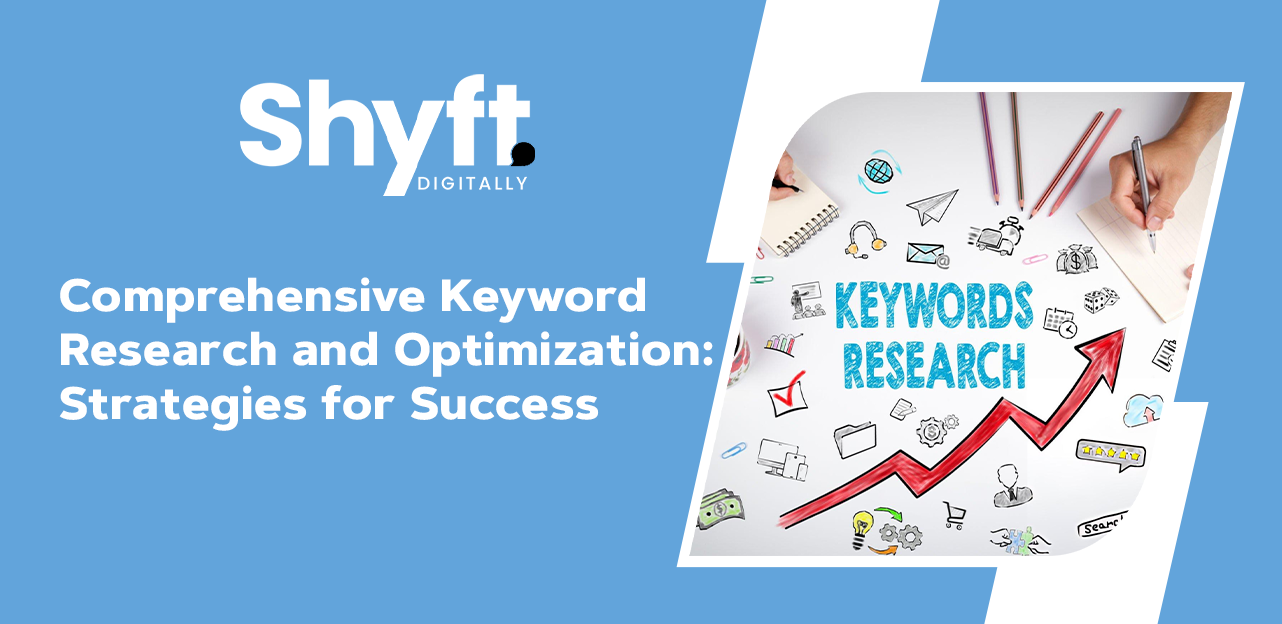
Keyword research is the backbone of any SEO campaign. It involves understanding what your audience is searching for and targeting those terms strategically on your website.
What it involves:
- Finding short-tail and long-tail keywords that match user intent
- Analyzing the competition for each keyword
- Identifying keyword opportunities with high traffic and low difficulty
Why it matters:
If you’re targeting the wrong keywords, you’ll attract the wrong audience—or none at all. Proper research ensures your content aligns with what people are actually looking for, which increases the chances of clicks and conversions.
2. On-Page Optimization
On-page SEO means optimizing each webpage to clearly signal to search engines what the page is about.
Key on-page elements include:
- Title tags and meta descriptions
- Headers (H1, H2, H3) with relevant keywords
- Image alt text and filenames
- Internal linking structure
- Clean and readable URLs
How this helps
These optimizations make your content easier for search engines to crawl and understand. They also improve user experience by making your pages clearer and easier to navigate.
3. High-Quality, SEO-Friendly Content
Creating engaging, informative, and useful content is essential. Without it, you’ll struggle to rank, no matter how good your technical SEO is.
Effective content should:
- Answer specific questions or solve problems
- Use natural keyword placement (without stuffing)
- Include clear calls to action
- Be updated regularly to stay relevant
This strategy also supports long-term SEO success. Over time, consistent publishing helps build authority and trust with both users and search engines.
4. Technical SEO Improvements
Even if your content is amazing, search engines won’t rank it well if your website has technical issues. That’s where Website Development Services come into play.
Key technical elements to focus on:
- Fast loading speeds
- Mobile responsiveness
- Secure HTTPS connection
- XML sitemap and robots.txt configuration
- Fixing broken links and 404 errors
A technically sound website ensures your SEO efforts aren’t wasted. It also improves user experience, which reduces bounce rates and increases time spent on your site—two important ranking signals.
5. Link Building and Off-Page SEO
Google looks at how trustworthy and authoritative your website is, and one major way it determines that is through backlinks—links from other reputable sites.
Off-page SEO strategies include:
- Earning backlinks through guest posting or content outreach
- Building citations on relevant directories
- Gaining social media mentions
- Managing online reviews
Why it works:
When high-quality sites link to your content, it tells search engines that your content is credible. It boosts your domain authority and helps you rank higher.
6. Local SEO for Geo-Targeted Visibility
If you’re a business that serves specific areas or regions, Local SEO ensures your name pops up when people search “near me” or include a location in their search.
To improve local SEO:
- Optimize your Google Business Profile
- Use local keywords (e.g., “website development services in Toronto”)
- Get listed in local directories
- Encourage and manage reviews
Local SEO is critical for businesses like restaurants, law firms, clinics, and even marketing agencies. It drives targeted traffic that is more likely to convert into real business.
7. Mobile Optimization
More than half of all web traffic now comes from mobile devices. If your site isn’t mobile-friendly, you’re not just losing visitors—you’re losing potential customers.
Mobile optimization includes:
- Responsive design that adapts to screen size
- Fast loading times on mobile
- Easy navigation and readable fonts
- Clickable buttons and accessible menus
Search engines like Google prioritize mobile-first indexing. This means your mobile version is what Google evaluates first when deciding how to rank you.
8. Structured Data and Schema Markup
Adding schema markup to your site helps search engines understand your content better. It can also lead to rich snippets, extra bits of information like star ratings or FAQs, that appear directly in the search results.
Why this matters:
- Increases visibility in search results
- Improves click-through rates
- Helps your business stand out among competitors
Although not required, using structured data gives your site a competitive edge and improves how users interact with your listings.
9. Regular SEO Audits
Just like a car needs regular maintenance, your SEO needs frequent checkups.
SEO audits include:
- Checking for broken links or crawl errors
- Reviewing keyword rankings and site speed
- Analyzing competitor strategies
- Identifying new content opportunities
These audits help you fix issues before they affect your rankings and keep your strategy up-to-date with changes in Google’s algorithm.
10. Tracking and Analyzing Performance
No strategy is complete without measuring the results. Tracking your performance lets you see what’s working—and what’s not.
Key performance indicators to monitor:
- Organic traffic levels
- Keyword rankings
- Conversion rates
- Bounce rate and time on site
- Backlink profile growth
Platforms like Google Analytics and Google Search Console give valuable insights. With this data, you can refine your strategy for even better results.
Integrating SEO and Web Development: The Perfect Match
It’s one thing to focus on keywords and content. But if your website is slow, unresponsive, or hard to use, all your SEO work can go to waste.
This is why Website Development Services are crucial to any successful SEO campaign. The two should work hand in hand to:
- Ensure a smooth user journey
- Fix technical errors
- Improve page speed
- Make content easy to access and engage with
At Shyft Digitally, we don’t treat SEO and web development as separate services. We bring them together to build online experiences that both users and search engines love.
Start Your SEO Journey with Shyft Digitally
Online visibility doesn’t happen by chance. It takes a thoughtful strategy, ongoing effort, and the right expertise. By focusing on these key SEO strategies—and combining them with quality Website Development Services—you’ll put your business in front of more people, more often.
Whether you’re starting from scratch or want to improve your current results, Shyft Digitally is here to help.
We provide:
- Custom SEO strategies tailored to your industry
- Technical and on-page improvements for long-term growth
- Expert insights backed by real data
- A full team dedicated to your success
Let’s boost your visibility and turn your website into your most valuable business asset. Contact Shyft Digitally today to get started.