If you’re looking to boost your website’s search engine rankings and attract more visitors, you’ve come to the right place. In this article, we will walk you through proven SEO strategies that can make a real difference for your business. At Shyft Digitally, we believe that the right mix of technical know-how, quality content, and user-friendly website design creates a solid foundation for success. Read on to learn how you can improve your rankings and turn more visitors into loyal customers.
Understanding the Basics of SEO
SEO, or Search Engine Optimization, is the process of making changes to your website so that search engines like Google can better understand it. When a site is optimized for SEO, it appears higher in search results, making it easier for potential customers to find you. The goal is simple: improve your website’s ranking by ensuring it meets the criteria that search engines use to determine quality.
Many factors affect your rankings. Some of these factors are on your control, such as the quality of your content and the structure of your website. Others, like search engine algorithms, are constantly changing. However, by focusing on key strategies, you can stay ahead of the competition and maintain a strong online presence.
Strategy 1: Conduct In-Depth Keyword Research
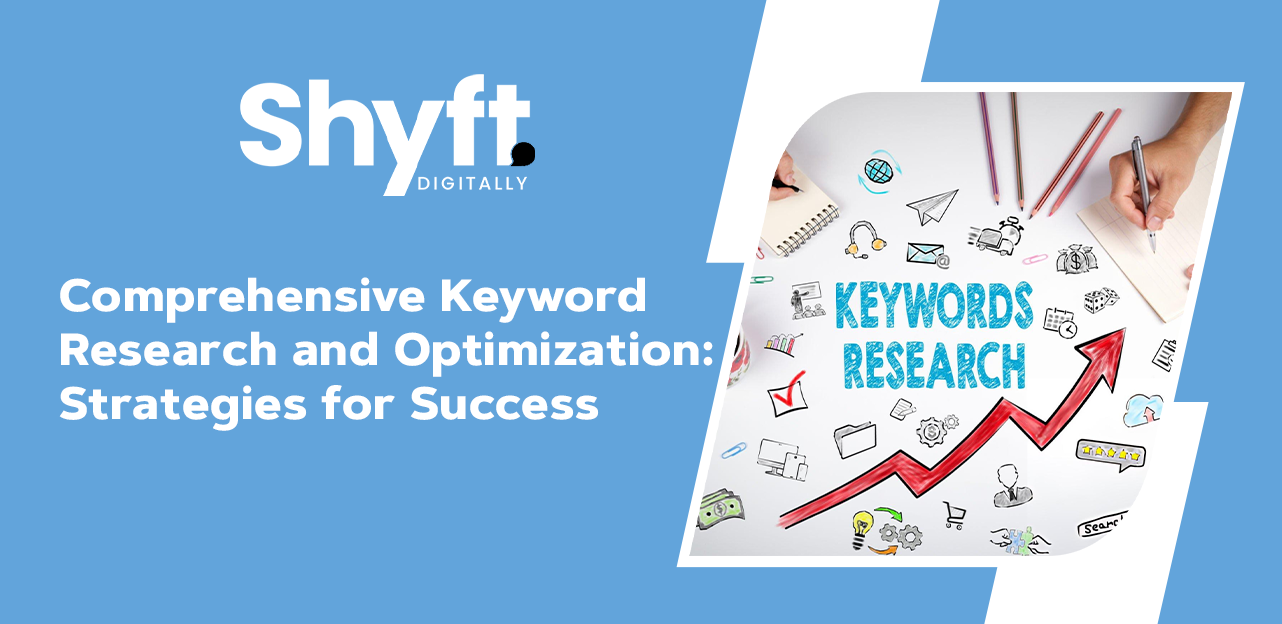
Every successful SEO strategy starts with understanding what your potential customers are searching for. Keywords are the words and phrases that users type into search engines when looking for information, products, or services. By identifying the right keywords, you ensure that your content is relevant and meets your audience’s needs.
Start by using keyword research tools such as Google Keyword Planner, SEMrush, or Ahrefs. Look for keywords that have a good balance between search volume and competition. Long-tail keywords, which are longer and more specific phrases, may have lower search volume but often result in higher conversion rates because they target a specific audience.
Once you have a list of keywords, incorporate them naturally into your website’s content, meta tags, headings, and image descriptions. The goal is to make it easy for search engines to understand what your pages are about while also providing valuable information to your visitors.
Strategy 2: Optimize On-Page Elements
On-page SEO refers to the practice of optimizing individual pages on your website to improve their rankings. This includes everything from your page titles and meta descriptions to the way your content is structured. When done right, on-page optimization helps both users and search engines navigate your site more easily.
Start with your title tags and meta descriptions. These elements provide a brief overview of your page content and are the first things users see in search results. Craft them carefully to include your target keywords and a compelling call-to-action. This not only improves your rankings but also encourages more clicks.
Next, pay attention to your headings. Using a clear hierarchy of headings (H1, H2, H3, etc.) makes your content easier to read. Break your text into smaller sections with descriptive subheadings so that users can quickly find the information they’re looking for.
Lastly, focus on your content. High-quality, relevant content is the heart of your website. Ensure that your pages are informative, engaging, and free from errors. Use images, videos, and infographics to add variety and improve the user experience. When your visitors find what they need easily, they’re more likely to stay on your site and become customers.
Strategy 3: Enhance Technical SEO
While quality content and on-page optimization are essential, technical SEO is the backbone that supports your entire website. It involves making sure that the technical aspects of your site are in order so that search engines can crawl and index it without any issues.
One of the first technical aspects to address is your site’s speed. A slow website frustrates visitors and can lead to higher bounce rates. Use tools like Google PageSpeed Insights to evaluate your site’s performance and follow the recommendations to speed up loading times. Compress images, minify code, and leverage browser caching to improve performance.
Another critical area is mobile-friendliness. With more people using smartphones to access the web, your site must be responsive. A mobile-friendly design ensures that your website looks and works great on all devices. Google’s mobile-first indexing means that your mobile site is now more important than ever for ranking.
Security is also a key factor. Make sure your site uses HTTPS, which not only builds trust with your visitors but also serves as a ranking signal for search engines. A secure site reassures customers that their data is safe when they interact with your business.
Strategy 4: Develop High-Quality, Engaging Content
Content is one of the most powerful tools in SEO. It’s what attracts visitors, keeps them engaged, and convinces them to take action. The key is to produce high-quality, informative content that resonates with your audience.
Begin by identifying topics that interest your audience. Use keyword research to find common questions or problems that your potential customers are searching for. Then, create content that offers clear, concise, and valuable answers. Whether it’s blog posts, how-to guides, or detailed articles, every piece of content should serve a purpose.
It’s important to keep your language simple and your sentences short. Avoid jargon or overly complex explanations. Your goal is to make your content accessible to everyone, regardless of their level of expertise.
Visual content also plays a significant role. Include images, charts, and videos to support your text and break up long paragraphs. Not only does this make your content more engaging, but it also helps to keep visitors on your site longer, which is a positive signal for search engines.
Strategy 5: Build a Strong Backlink Profile
Backlinks, or links from other websites pointing to your site, are one of the most influential ranking factors. They act as endorsements of your content and signal to search engines that your website is trustworthy and authoritative.
There are several ways to build a strong backlink profile. One effective method is to create content that naturally attracts links. When you publish high-quality, informative content, other sites are more likely to reference and link back to it. Guest posting on reputable blogs is another excellent strategy. By contributing valuable content to other websites, you not only earn backlinks but also expand your audience.
Focus on earning links from sites that are relevant to your industry. A few high-quality backlinks are much more valuable than many low-quality ones. Building relationships with influencers and industry experts can also help you secure valuable links over time.
Strategy 6: Leverage Local SEO
For businesses that serve a specific geographic area, local SEO is a game-changer. Local SEO involves optimizing your website to attract customers from your community. This strategy is particularly useful for brick-and-mortar stores, restaurants, and service providers.
Start by setting up and optimizing your Google My Business profile. Ensure that your business information, such as name, address, and phone number, is accurate and consistent across all online directories. Encourage satisfied customers to leave positive reviews, as these can boost your local search rankings.
Incorporate local keywords into your content and meta tags. For example, if you’re a restaurant in Austin, include phrases like “Austin restaurant” or “best food in Austin” in your website’s content. This makes it easier for local customers to find you when they search for relevant terms.
Strategy 7: Monitor, Analyze, and Adapt
SEO is not a one-time project; it’s an ongoing process. To maintain and improve your rankings, you need to regularly monitor your website’s performance, analyze the data, and adapt your strategies accordingly.
Use tools such as Google Analytics and Google Search Console to track key metrics like traffic, bounce rate, and keyword rankings. These insights help you understand what’s working and where there’s room for improvement. Regular monitoring allows you to spot trends, identify issues early, and make data-driven decisions.
It’s also important to stay updated with the latest SEO trends and algorithm changes. Search engines are constantly evolving, and what worked yesterday might not be effective today. Attend webinars, follow industry blogs, and consider professional training to keep your knowledge current. By staying informed, you can quickly adjust your strategies and keep your website ahead of the competition.
How Shyft Digitally Can Boost Your SEO Efforts
At Shyft Digitally, we specialize in tailoring SEO strategies to meet the unique needs of your business. Our comprehensive SEO Services are designed to address every aspect of your digital presence, from technical optimization to high-quality content creation. We also offer Website Development Services that ensure your site is built for both users and search engines.
Our approach is highly personalized. We begin by understanding your business goals, target audience, and current challenges. This deep dive allows us to craft a strategy that is both effective and sustainable. We believe in clear, transparent communication and work closely with you every step of the way. You’ll receive regular updates and easy-to-understand reports that show exactly how our efforts are improving your rankings.
Our team of experts is dedicated to continuous improvement. We don’t just set up your SEO strategy and walk away; we monitor your progress, analyze the results, and make adjustments as needed. This ongoing support ensures that your website remains competitive in a rapidly changing digital landscape.