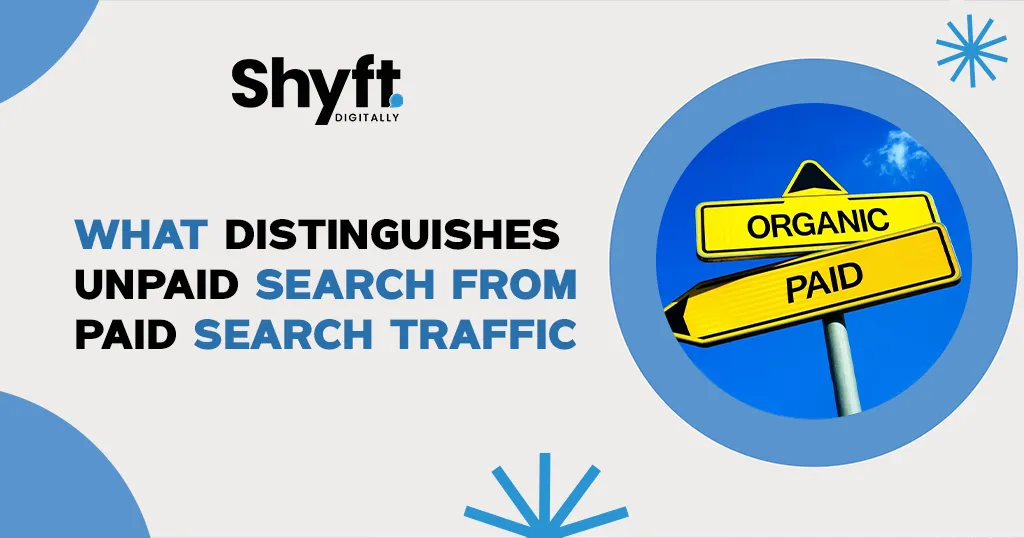
Search engines like Google and Bing have become the cornerstone of how people find information, products, and services online. Businesses that wish to succeed in the digital space must understand how to drive traffic to their websites. Two primary methods to achieve this are through unpaid search traffic (organic traffic) and paid search traffic.
Unpaid search traffic is the result of appearing in search engine results organically, without any direct payment, while paid search traffic involves using advertising platforms to place paid ads at the top or bottom of search engine results pages (SERPs). Although both serve the same purpose—bringing visitors to a website—the way they achieve this and the outcomes they provide differ significantly. To fully grasp how they work and how they can help your business grow, let’s explore their details.
Unpaid Search Traffic: Earning Your Place on Search Results
Unpaid search traffic, often referred to as organic search traffic, occurs when users visit your website by clicking on the non-advertised links in search engine results. These links appear because search engines deem your website’s content relevant and valuable for a particular query. Businesses do not pay search engines for this traffic; instead, they optimize their websites using various strategies to rank higher in these unpaid results.
How Does Unpaid Search Traffic Work?
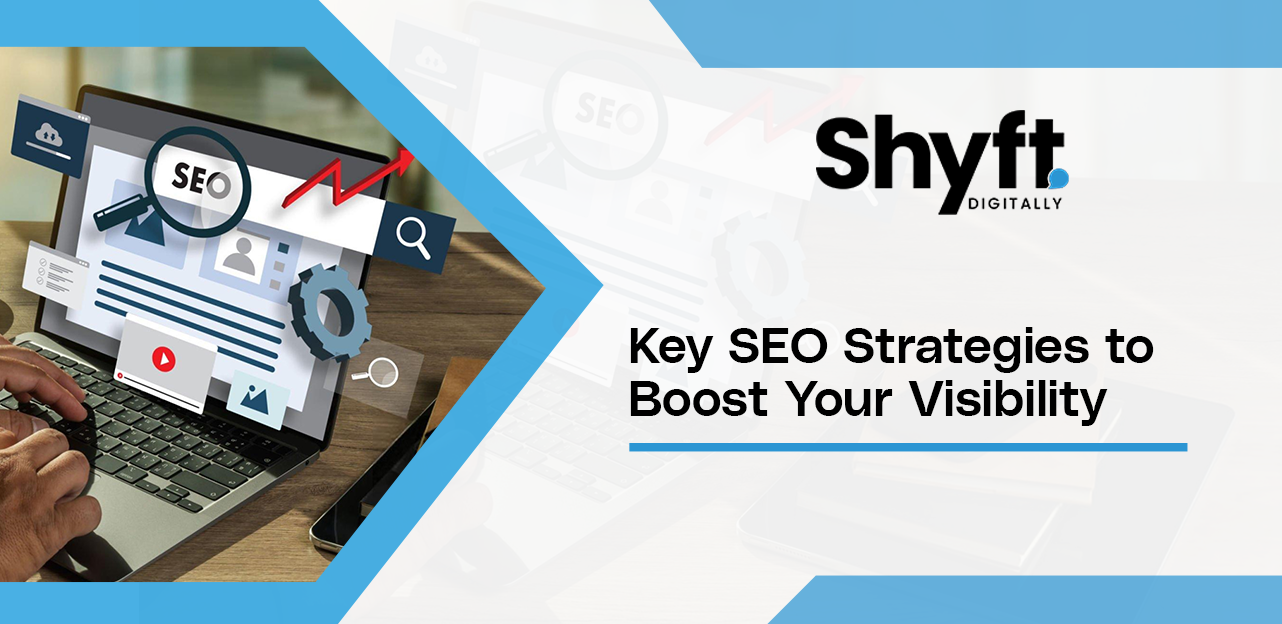
Unpaid search traffic is largely driven by search engine optimization (SEO), a set of techniques aimed at improving a website’s visibility on search engines. Here are the major components that contribute to generating unpaid search traffic:
- Content Relevance and Quality: Search engines prioritize content that answers users’ queries effectively. High-quality, well-researched, and engaging content tends to rank higher because it meets the needs of the audience.
- Keyword Optimization: Keywords are the phrases or terms people type into search engines. To drive unpaid search traffic, businesses need to identify these terms and strategically place them in their content, titles, and meta descriptions.
- Backlinks: When other reputable websites link to your content, it signals to search engines that your site is trustworthy and authoritative. These “votes of confidence” can significantly boost your rankings.
- User Experience: Factors like mobile-friendliness, site speed, and easy navigation enhance the user experience. Search engines reward websites that offer a smooth and enjoyable experience to visitors.
- Search Intent: Understanding the intent behind a search query—whether the user is looking for information, making a purchase, or seeking a specific service—helps you tailor your content to meet those needs, increasing the likelihood of ranking well.
Advantages of Unpaid Search Traffic
Unpaid search traffic provides several benefits that make it a desirable strategy for many businesses:
- Cost-Free in Terms of Clicks: One of the most attractive aspects of unpaid search traffic is that you don’t pay for each visitor. Once you’ve put in the work to rank high, the traffic you receive doesn’t come with additional costs.
- Long-Term Results: Unlike paid campaigns that end when the budget runs out, the results of SEO efforts can last for months or even years. A well-optimized page can continue to drive traffic as long as it remains relevant.
- Trust and Credibility: Users often trust organic results more than ads because they perceive them as earned positions rather than paid placements. This trust can translate into higher engagement and conversions.
- Sustainability: Unpaid search traffic creates a sustainable flow of visitors to your website. By consistently producing quality content and maintaining SEO best practices, you can enjoy a steady stream of traffic without frequent investments.
Challenges of Unpaid Search Traffic
While unpaid search traffic has its advantages, it also comes with its own set of challenges:
- Time-Intensive: Building organic traffic is a slow process. It may take weeks, months, or even years to see significant results, especially in competitive industries.
- Constant Algorithm Updates: Search engines frequently update their algorithms to improve the quality of their results. These updates can affect your rankings, requiring you to adjust your strategies continuously.
- Requires Expertise: SEO involves technical knowledge, content creation, and analytics. For businesses without in-house expertise, hiring professionals or agencies may be necessary.
Paid Search Traffic: Instant Visibility at a Cost
Paid search traffic comes from advertisements that businesses place on search engine results pages (SERPs). These ads, often labeled as “Sponsored” or “Ad,” appear at the top or bottom of the page and are a result of a business’s investment in advertising platforms like Google Ads or Bing Ads.
How Does Paid Search Traffic Work?
Paid search operates through a pay-per-click (PPC) model. Here’s a breakdown of how the process works:
- Keyword Selection: Businesses bid on specific keywords they want their ads to appear for. For instance, a company selling fitness equipment might bid on keywords like “best home gym equipment” or “buy dumbbells online.”
- Ad Placement: When a user searches for a term matching the advertiser’s chosen keywords, the search engine displays the ad based on a combination of factors, including the bid amount and ad relevance.
- Click Payments: Advertisers pay only when someone clicks on their ad. The cost per click (CPC) depends on the competition for the keyword and the advertiser’s bid.
- Targeting Options: Paid search platforms allow for highly specific targeting. Advertisers can choose to display their ads to users based on location, demographics, device type, and even the time of day.
- Analytics and Optimization: Paid search platforms provide detailed reports on campaign performance, including click-through rates (CTR), conversion rates, and return on investment (ROI). This data helps advertisers refine their strategies.
Advantages of Paid Search Traffic
Paid search offers unique advantages that make it an effective strategy for many businesses:
- Immediate Results: Unlike unpaid search, which takes time to show results, paid search provides instant visibility. As soon as your campaign goes live, your ads can appear in front of your target audience.
- Highly Targeted Traffic: Paid search allows you to tailor your ads to specific audiences. For example, you can target users searching for “luxury watches in New York” instead of simply “watches,” ensuring your ad reaches the right people.
- Control Over Budget: Advertisers can set daily or campaign-specific budgets, giving them control over how much they spend. This flexibility allows businesses to allocate resources efficiently.
- Actionable Insights: Paid search platforms offer detailed analytics that help businesses understand what works and what doesn’t. These insights can be used to improve not only the current campaign but also overall marketing strategies.
Challenges of Paid Search Traffic
Paid search traffic also comes with its share of challenges:
- Costly for Competitive Keywords: In industries with high competition, keywords can become expensive. For example, terms like “car insurance” or “lawyer near me” can cost several dollars per click.
- Temporary Results: Once your budget is exhausted, the ads stop running, and the traffic disappears. This means you must continuously invest to maintain visibility.
- Requires Expertise: Managing paid campaigns effectively requires knowledge of bidding strategies, ad copywriting, and data analysis. Without these skills, businesses may not see a positive ROI.
How Content Plays a Role in Both Strategies
Content is the backbone of both unpaid and paid search strategies. Whether you are optimizing your website for organic traffic or running paid ad campaigns, high-quality content is essential.
- Informative Blog Posts: For unpaid search, blogs that address common questions or problems can attract organic visitors. For paid search, these posts can be promoted to reach a larger audience.
- Landing Pages: Paid search campaigns often direct users to landing pages. These pages should be tailored to the ad’s promise and include compelling calls-to-action (CTAs).
- Keyword Integration: Both strategies rely on keyword optimization. Ensure your content includes relevant terms while remaining natural and engaging.
- Visual Content: Incorporating images, infographics, and videos can enhance user engagement, benefiting both unpaid and paid search efforts.
How to Get Started with Each Strategy
Steps for Building Unpaid Search Traffic
- Perform Keyword Research: Identify the phrases your audience uses to search for your products or services.
- Optimize Your Website: Use keywords strategically in your content, meta tags, and URLs. Ensure your site is mobile-friendly and fast-loading.
- Create High-Quality Content: Publish content that answers user questions and adds value. Focus on evergreen topics that remain relevant over time.
- Build Backlinks: Reach out to other websites for guest posting opportunities or collaborations to earn backlinks.
- Monitor Analytics: Use tools like Google Analytics to track your traffic and understand what’s working.
Steps for Driving Paid Search Traffic
- Set Clear Objectives: Define what you want to achieve, whether it’s more traffic, leads, or sales.
- Choose Your Keywords: Use keyword research tools to find high-value terms that match your goals.
- Create Engaging Ads: Write ad copy that captures attention and encourages clicks. Highlight your unique selling points.
- Design Effective Landing Pages: Ensure your landing pages are relevant to the ad and optimized for conversions.
- Analyze and Adjust: Regularly review campaign performance and make adjustments to improve results.
Conclusion
Both unpaid and paid search traffic are valuable tools for driving website visitors
and growing your business online. Unpaid search provides sustainable, long-term benefits but requires time and effort. Paid search delivers immediate results but demands a financial investment.
By understanding the unique characteristics of each, businesses can decide which strategy aligns best with their goals. Often, the most effective approach is a combination of both, leveraging the strengths of unpaid search for lasting traffic and paid search for quick wins. With careful planning and execution, these strategies can help you achieve online success.