In today’s fast-paced digital world, promoting your business on Google is crucial if you want to attract new customers and grow your brand. Whether you’re running a cozy local café or an online store, Google is often the first place people turn to when searching for products, services, or solutions to their problems. If your business doesn’t show up in these searches, you’re leaving a lot of potential revenue on the table.
But here’s the good news: promoting your business on Google doesn’t have to be overwhelming or expensive. In fact, there are three simple ways to get started: Google My Business, Google Ads, and Search Engine Optimization (SEO). Each one is powerful on its own, but together, they can help you create a solid online presence that drives traffic and, most importantly, boosts sales.
At Shyft Digitally, we specialize in providing expert SEO services to help businesses like yours stand out on Google.
Let’s break down these three strategies in a way that’s easy to understand and even easier to implement.
Utilize Google My Business to Increase Local Visibility
Imagine someone walking around your city, phone in hand, looking for a service you offer. They open Google Maps and type something like “best pizza near me” or “plumber in my area.” If you have a Google My Business (GMB) listing, your business can pop up, ready to catch their attention. And it’s not just about appearing in searches—your business can also be featured on Google Maps, making it even easier for customers to find you.
What is Google My Business?
Google My Business is a free tool that helps local businesses manage their online presence across Google, including Search and Maps. It’s your digital storefront that gives potential customers important information about your business, such as your hours, location, contact info, and even pictures of your products or services.
If you run a coffee shop, a yoga studio, or any business with a physical location, setting up and optimizing your GMB profile is one of the easiest ways to increase visibility.
Why is Google My Business Important?
Consider this: 46% of all Google searches are for local businesses. More than half of those searches result in a visit to the business within 24 hours. If you’re not listed on Google My Business, you’re missing out on a massive pool of potential customers who are actively searching for what you offer.
How to Set Up and Optimize Google My Business
Here’s how you can make sure your business stands out:
- Claim or Create Your Listing: Head over to the Google My Business page and follow the simple steps to claim your business or create a new listing if it doesn’t already exist.
- Fill Out Every Detail: Accuracy is key here. Make sure your business name, address, phone number (NAP), and hours of operation are all correct and consistent with what’s on your website.
- Add High-Quality Photos: People love visuals, so upload attractive photos of your business, products, or services. Businesses with photos receive 42% more requests for directions on Google Maps.
- Encourage Customer Reviews: Positive reviews build trust, and the more reviews you have, the better your business looks to potential customers. Politely ask happy customers to leave feedback and make sure to respond to all reviews, even the negative ones, in a professional and courteous manner.
- Keep Your Listing Updated: If you’re having a sale, changing hours, or launching a new product, update your profile to reflect that. Posting fresh content and keeping your details up to date signals to Google that you’re an active and trustworthy business.
Use Extra GMB Features for Engagement
You can go beyond the basics with Google My Business. For example, you can post updates, special offers, or event announcements directly to your profile. This keeps your business at the forefront of potential customers’ minds when they see your updates in search results. You can also use the Messaging feature, allowing customers to Text you directly from your GMB listing.
By leveraging these features, you can engage with customers and improve your local search ranking, all while increasing foot traffic or online inquiries.
Leverage Google Ads for Targeted Reach and Engagement
If you’re looking for instant visibility, Google Ads is your best bet. Unlike SEO, which can take time to show results, Google Ads lets you show up at the top of search results almost immediately—right in front of the people who are actively searching for what you offer.
What are Google Ads?
Google Ads is a pay-per-click (PPC) platform that allows you to advertise directly on Google. You bid on specific keywords, and when someone searches for those terms, your ad shows up. You only pay when someone clicks on your ad, making it a cost-effective way to drive traffic to your website.
For instance, if you run an online flower delivery service, you can bid on keywords like “same-day flower delivery” or “fresh roses in Toronto.” Whenever someone searches for those terms, your ad can appear at the top of the page, driving clicks and conversions.
Why Use Google Ads for Your Business?
There are several reasons why businesses love Google Ads:
- Instant Visibility: Unlike SEO, which takes time to build, Google Ads gets your business in front of potential customers right away.
- Targeted Reach: You can tailor your ads to specific audiences based on factors like location, demographics, and interests.
- Budget Control: With Google Ads, you set your daily budget and maximum bid for each keyword, so you’ll never spend more than you’re comfortable with.
How to Create an Effective Google Ads Campaign
Here’s how to get started with Google Ads:
- Set Clear Objectives: Decide what you want to achieve—whether it’s more website visits, phone calls, or in-store visits.
- Research Keywords: Use tools like Google Keyword Planner to find relevant keywords that your target audience is searching for. Focus on a mix of broad and long-tail keywords for better results.
- Write Catchy Ad Copy: Your ad should be compelling and to the point. Highlight what makes your business stand out, and make sure to include a clear call-to-action (CTA) like “Shop Now” or “Contact Us.”
- Define Your Budget: Set a daily budget that works for you and determine how much you’re willing to pay per click. Start small and increase as you see results.
- Monitor and Adjust: Keep an eye on your campaigns. Google Ads offers a wealth of data, so track how your ads are performing and adjust as needed. This might mean tweaking your keywords, adjusting your bids, or refining your ad copy.
Types of Google Ads Campaigns
You can run several types of Google Ads campaigns, depending on your business goals:
- Search Ads: These are the Text ads that appear at the top of Google’s search results.
- Display Ads: These are visual ads (image or video) that appear on websites across Google’s Display Network.
- Shopping Ads: If you sell products online, Shopping Ads show users images, prices, and descriptions of your products.
- YouTube Ads: Video ads that play before or during YouTube videos are a great way to capture attention.
With the right strategy, Google Ads can be a powerful tool to drive targeted traffic to your website, generating leads and sales quickly.
Optimize Your Website for Google Search Results (SEO)
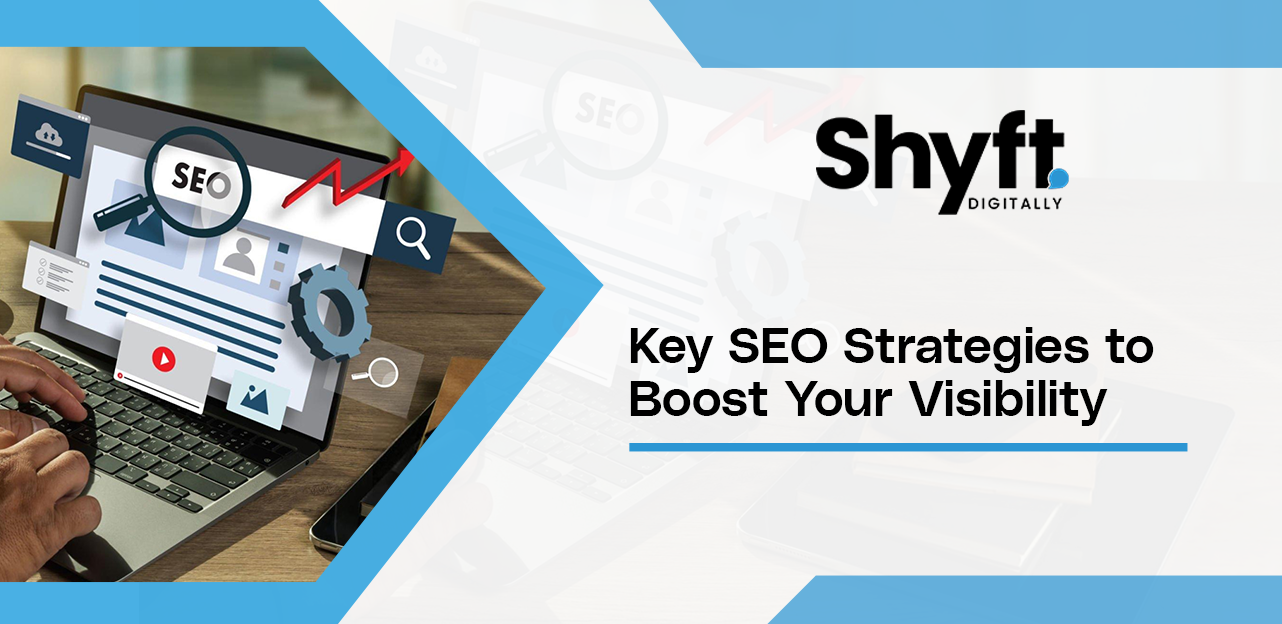
Finally, while paid ads and Google My Business help you get seen quickly, Search Engine Optimization (SEO) is the long-term strategy that can keep you visible on Google without constantly spending on ads. Good SEO helps your website rank higher in organic search results, meaning more people find your business naturally.
What is SEO?
SEO is all about making your website more attractive to Google’s search algorithms. This means using the right keywords, creating valuable content, and ensuring your website is user-friendly. When done right, SEO can help your website rank higher in Google’s search results, driving more traffic over time.
Why is SEO Important?
Unlike paid ads, SEO doesn’t require ongoing payments. Once your website ranks well, you can enjoy consistent traffic without having to pay for each visit. Plus, 75% of users never scroll past the first page of search results, so ranking higher can make a big difference in how many people find your business.
How to Optimize Your Website for SEO
Here are the basics to improve your website’s SEO:
- Keyword Research: Start by figuring out what keywords your potential customers are searching for. You can use tools like Google Keyword Planner or Ubersuggest to find popular keywords related to your industry.
- On-Page Optimization: Once you know your keywords, integrate them into key parts of your website like titles, headers, and meta descriptions. But make sure they flow naturally—Google’s algorithms are smart, and they reward high-quality, user-friendly content.
- Create Valuable Content: Google loves fresh, useful content. Regularly update your website or blog with content that answers your customers’ questions or solves their problems.
- Improve Your Website’s Speed and Mobile Friendliness: Google takes site speed and mobile responsiveness into account when ranking websites. Make sure your site loads quickly and looks great on mobile devices.
- Build Quality Backlinks: Backlinks are links from other websites to yours. The more high-quality backlinks you have, the more Google will see your site as trustworthy and valuable.
Don’t Forget Local SEO
For businesses that serve specific locations, local SEO is critical. This means making sure your business name, address, and phone number (NAP) are consistent across your website and any online listings. It also helps to get listed in local directories like Yelp or industry-specific sites. Encouraging customer reviews and optimizing for local keywords (like “best hair salon in Vancouver”) can give your local SEO a big boost.
SEO takes time to pay off, but once it does, it can drive sustainable, long-term traffic to your website.
Final Thoughts
Promoting your business on Google might seem daunting, but by focusing on these three simple strategies—Google My Business, Google Ads, and SEO—you can get noticed by the right people, grow your customer base, and ultimately, increase your sales.
Remember, consistency is key. Keep your Google My Business profile active, monitor and adjust your Google Ads campaigns, and make sure your website is optimized for SEO. By doing so, you’ll build a strong online presence that continues to attract new customers, week after week, month after month.
At Shyft Digitally, we also offer web development services to ensure your website is not only optimized for SEO but is also designed to convert visitors into loyal customers.
Google is where your customers are, so make sure your business is right there with them!