Page optimization is key in digital marketing and is the perfect practice for anyone who wants to improve his website performance. Mastering page optimization is the difference between having a good website and an excellent one; this can have both direct and indirect effects depending on whether you are a business owner, marketer, or web developer. In this ultimate guide, you will learn everything about page optimization – what it means, the relevance of optimizing your pages, and tips & best practices.
Introduction
A website is mandatory in this digital age; however, it’s not just about having a website. Your website serves as the front line in attracting and retaining visitors and leads that convert into sales, ensuring the ultimate success of your business. This is where page optimization soars; it includes different strategies and approaches to increase the overall performance of your web pages.
What is Page Optimization?
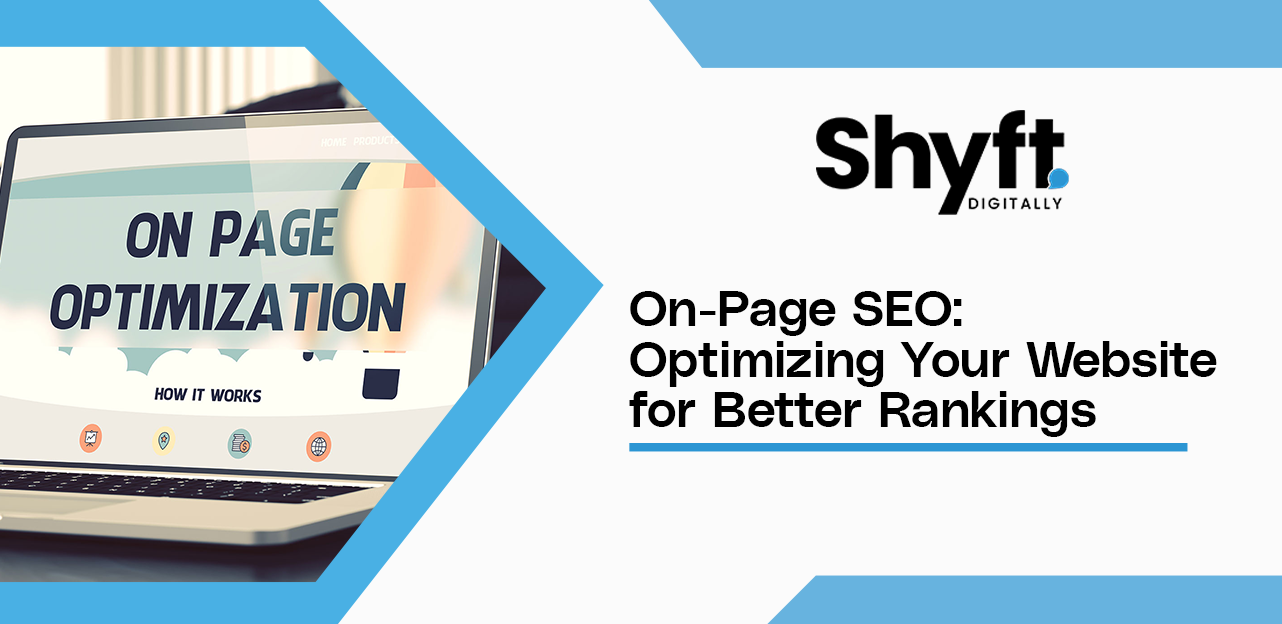
Page optimization, also known as on-page optimization, is the practice of improving certain web pages to rank higher in search results and draw in more relevant visitors. It combines technological and content-related enhancements to make your sites easier for search engines to interpret and provide a better user experience.
Key Components of Page Optimization
- Content Quality: High-quality, relevant, and informative content is the cornerstone of page optimization. This includes well-written text, engaging visuals, and multimedia elements that provide value to the user.
- Keyword Usage: Proper use of keywords helps search engines understand the topic and relevance of your content. This includes using primary and secondary keywords in strategic locations such as the title, headings, and throughout the content.
- Meta Tags: Meta tags, including the meta title and meta description, are HTML elements that provide information about your web page to search engines and users. Optimizing these tags can improve your click-through rate (CTR) from search engine results pages (SERPs).
- URL Structure: Clean, descriptive URLs that include relevant keywords can improve your page’s visibility and user experience.
- Internal Linking: Linking to other pages within your website helps search engines understand its structure and improves user navigation.
- Mobile-Friendliness: With the increasing use of mobile devices, ensuring that your web pages are mobile-friendly is crucial for both user experience and search engine rankings.
- Page Speed: Fast loading times are essential for retaining visitors and improving search engine rankings. Optimizing images, reducing server response times, and using browser caching are some ways to enhance page speed.
Why is Page Optimization Important?
Page optimization is critical for several reasons. Here’s why you should prioritize it for your website:
1. Improved Search Engine Rankings
Search engines like Google use complex algorithms to determine the relevance and quality of web pages. By optimizing your pages, you increase the chances of ranking higher in search results, making it easier for potential customers to find you.
2. Better User Experience
A well-optimized page provides a better user experience. This includes faster loading times, easy navigation, and high-quality content. When users have a positive experience on your site, they are more likely to stay longer, engage with your content, and convert into customers.
3. Increased Traffic
Higher search engine rankings and better user experience lead to increased traffic. More visitors to your site mean more opportunities to generate leads, make sales, and grow your business.
4. Higher Conversion Rates
Optimized pages not only attract more visitors but also convert better. Clear calls-to-action (CTAs), relevant content, and a seamless user experience contribute to higher conversion rates.
5. Competitive Advantage
Page optimization can give you an edge over your competitors in today’s competitive online landscape. A well-optimized website stands out in search results and attracts more traffic, helping you stay ahead of the competition.
How to Optimize Your Web Pages
Optimizing your web pages involves a combination of technical and content-related strategies. Here are some practical steps to help you get started:
1. Conduct Keyword Research
Keyword research is the foundation of any page optimization strategy. It involves identifying the keywords and phrases that your target audience is searching for. Tools like Google Keyword Planner, Ahrefs, and SEMrush can help you find relevant keywords with good search volume and low competition.
2. Optimize Content Quality
High-quality content is essential for both search engines and users. Ensure that your content is well-written, informative, and relevant to your audience. Use a mix of text, images, videos, and other multimedia elements to make your content engaging.
3. Use Keywords Strategically
Once you have identified your target keywords, use them strategically throughout your content. This includes placing keywords in the title, headings, meta tags, URL, and throughout the body of the content. However, avoid keyword stuffing, as this can negatively impact your rankings.
4. Improve Meta Tags
Meta tags play a crucial role in page optimization. Ensure that your meta title and meta description are compelling and include your target keywords. The meta title should be concise and descriptive, while the meta description should provide a brief overview of the content and encourage users to click.
5. Optimize URL Structure
Your page’s URL should be clean, descriptive, and include relevant keywords. Avoid using long, complex URLs with unnecessary parameters. A simple and readable URL structure improves both user experience and search engine rankings.
6. Enhance Internal Linking
Internal linking helps search engines understand your site’s structure and improves users’ navigation. Link to relevant pages within your website to provide additional value to your visitors and help them find related content.
7. Ensure Mobile-Friendliness
With the increasing use of mobile devices, having a mobile-friendly website is essential. Use responsive design to ensure that your web pages adapt to different screen sizes and provide a seamless experience across all devices. Google’s Mobile-Friendly Test tool can help you evaluate your site’s mobile compatibility.
8. Boost Page Speed
Page speed is critical for both user experience and search engine rankings. Here are some tips to improve your page speed:
- Optimize Images: Compress images without sacrificing quality to reduce loading times.
- Minimize HTTP Requests: Reduce the number of elements on your page that require HTTP requests, such as scripts, images, and stylesheets.
- Use Browser Caching: Enable browser caching to store static resources on users’ devices, reducing load times for subsequent visits.
- Reduce Server Response Time: Ensure that your server is configured to handle requests efficiently and reduce response times.
Advanced Page Optimization Techniques
Once you have covered the basics, you can further explore advanced techniques to enhance your page optimization efforts. Here are some advanced strategies to consider:

1. Structured Data Markup
Structured data markup, also known as schema markup, is a type of code that helps search engines better understand your web pages’ content. By implementing structured data, you can enhance your search listings with rich snippets, such as star ratings, reviews, and other information that can improve your click-through rate.
2. Optimize for Voice Search
With the growing popularity of voice assistants like Siri, Alexa, and Google Assistant, optimizing for voice search is becoming increasingly important. Focus on natural language and long-tail keywords that people are likely to use in voice searches. Providing concise and direct answers to common questions can also help improve your chances of appearing in voice search results.
3. Implement AMP (Accelerated Mobile Pages)
Accelerated Mobile Pages (AMP) is a framework that helps create fast-loading mobile web pages. Implementing AMP can improve your page speed and provide a better experience for mobile users. AMP pages are often prioritized in mobile search results, giving you an additional advantage.
4. Optimize for Local Search
Optimizing for local search is essential if your business serves a local market. This includes creating and optimizing a Google My Business profile, obtaining local citations, and ensuring that your NAP (Name, Address, Phone number) information is consistent across all platforms. Local SEO helps you attract nearby customers and improve your visibility in local search results.
5. Use A/B Testing
A/B testing involves comparing two web page versions to determine which one performs better. This can help you optimize various elements of your page, such as headlines, CTAs, and layout, to improve user engagement and conversion rates. Tools like Google Optimize and Optimizely can assist you in conducting A/B tests and making data-driven decisions.
6. Leverage Social Proof
Social proof, such as customer reviews, testimonials, and case studies, can enhance the credibility and trustworthiness of your web pages. Displaying social proof prominently on your pages can influence visitors’ decisions and increase conversions. Encourage satisfied customers to leave reviews and share their positive experiences on your website and social media platforms.
Monitoring and Analyzing Your Optimization Efforts
Page optimization is an ongoing process that requires continuous monitoring and analysis. Here are some key metrics and tools to help you track your optimization efforts:

1. Google Analytics
Google Analytics is a powerful tool that provides insights into your website’s performance. Use it to track metrics such as page views, bounce rate, average session duration, and conversion rates. Analyzing this data can help you identify areas for improvement and measure the impact of your optimization efforts.
2. Google Search Console
Google Search Console is another valuable tool for monitoring your site’s search performance. It provides information on search queries, click-through rates, and indexing status. Use it to identify and fix issues that may affect your search engine rankings and overall site performance.
3. Page Speed Insights
Google’s Page Speed Insights tool analyzes your web pages and provides recommendations for improving page speed. It evaluates both mobile and desktop performance and offers suggestions for optimizing various elements, such as images, scripts, and server response times.
4. SEO Audits
Regular SEO audits can help you identify and fix issues that may be affecting your page optimization efforts. Conducting an audit involves evaluating various aspects of your site, including technical SEO, on-page elements, and content quality. Tools like Ahrefs, SEMrush, and Moz can assist you in conducting comprehensive SEO audits.
5. User Feedback
User feedback is invaluable for understanding how visitors perceive your web pages. Encourage users to provide feedback through surveys, contact forms, and social media. Analyzing this feedback can help you identify areas for improvement and make informed decisions about your optimization strategies.
Conclusion
Page optimization is a crucial aspect of digital marketing that can significantly impact your website’s performance. By focusing on key components such as content quality, keyword usage, meta tags, URL structure, internal linking, mobile-friendliness, and page speed, you can improve your search engine rankings, enhance user experience, and achieve your business goals. By understanding and implementing the principles outlined in this ultimate guide, you can take your website’s performance to the next level and achieve long-term success.
FAQ (Frequently Asked Questions)
1. What is page optimization?
Page optimization, also known as on-page optimization, is the process of improving individual web pages to achieve higher search engine rankings and attract more relevant traffic. It involves a combination of technical and content-related improvements to enhance the overall performance of your web pages.
2. Why is page optimization important?
Page optimization is important because it helps improve search engine rankings, enhances user experience, increases traffic, boosts conversion rates, and provides a competitive advantage. Optimized pages perform better in search results, attract more visitors, and create a positive experience for users.
3. How do I conduct keyword research?
Keyword research involves identifying the keywords and phrases that your target audience is searching for. Tools like Google Keyword Planner, Ahrefs, and SEMrush can help you find relevant keywords with good search volume and low competition. Analyze these keywords and incorporate them strategically into your content.
4. What are meta tags, and why are they important?
Meta tags are HTML elements that provide information about your web page to search engines and users. The most important meta tags are the meta title and meta description. Optimizing these tags can improve your click-through rate (CTR) from search engine results pages (SERPs) and help search engines understand the relevance of your content.
5. What is structured data markup, and how does it help?
Structured data markup, also known as schema markup, is a type of code that helps search engines better understand your web page’s content. Implementing structured data can enhance your search listings with rich snippets, such as star ratings, reviews, and other information that can improve your click-through rate.